
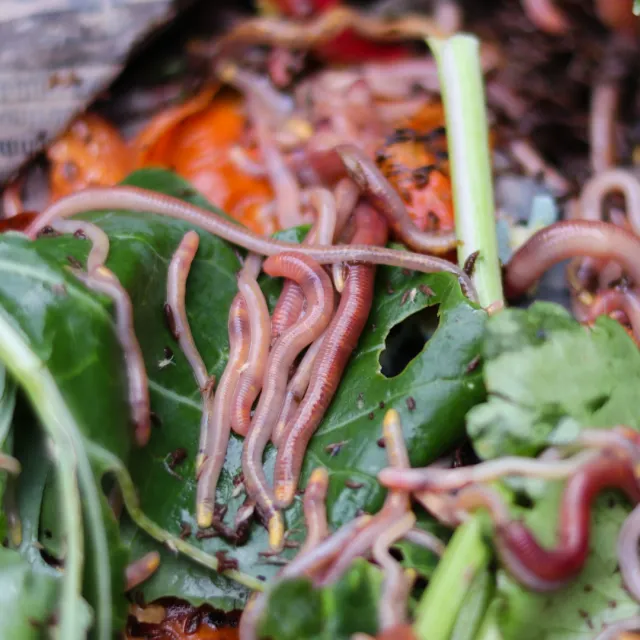
As gardeners, we constantly seek ways to enrich our soil, improve plant health, and create sustainable ecosystems in our backyards. One often-overlooked solution lies beneath the surface—worms. Not only is this practice of vermiculture beneficial for the environment, but it also provides remarkable advantages for your garden.
Benefits of Worm Farming
Reduced Waste – By composting kitchen scraps and yard waste through worm farming, gardeners can significantly reduce the amount of organic material that ends up in landfills. This practice contributes to a more sustainable lifestyle and minimizes greenhouse gas emissions.
Nutrient-Rich Soil Amendment – Worm castings are often referred to as “black gold,” due to their rich nutrient content and ability to improve soil food web. They provide essential nutrients (NPK) alongside micronutrients in a form that is readily available to plants.
Enhanced Soil Aeration and Structure – As worms burrow through the soil, they create channels that improve aeration and drainage. This not only helps plants absorb water and nutrients more efficiently but also promotes healthy root growth.
Pest and Disease Resistance – The nutrients and bacteria in worm castings can boost plant health, making them more resilient against pests and diseases. The microbial life found in worm castings can out compete harmful pathogens in the soil, leading to a healthier garden ecosystem overall.
Enhanced Microbial Activity – The microbial community in your soil is crucial for plant health, and worm castings provide a boost to this ecosystem. When you add worm castings, you introduce beneficial microorganisms that help break down organic matter, making nutrients more accessible to plants. This process not only feeds your plants but also encourages a balanced and thriving soil ecosystem, ensuring long-term soil health and fertility.
Drought Resistance – The organic matter in worm castings improves the soil’s water retention ability. By holding moisture in the soil, worm castings help keep plant roots hydrated, reducing the frequency of watering needed. This not only benefits your plants but can also lead to significant water conservation, making your gardening practices more eco-friendly.
Compost tea – Worm casting tea seems to make every plant happy, my favorite is worm castings with a little kelp meal and Unsulphured Molasses. Ive had so many people use it on houseplants and vegetables that they couldn’t diagnose, for the problem to just disappear after a few tea feedings.
Getting Started
If you’re intrigued by the idea of starting your own worm farm, here are some basic steps to consider:
Buy/find Your Worms: The most suitable worms for home composting are red wigglers. These worms thrive in decomposing organic material and perform best at temperatures between 50°F and 80°F. You could also collect worms from your compost and have a variety of worm species, they will probably be more picky with food,bedding and temperature though.
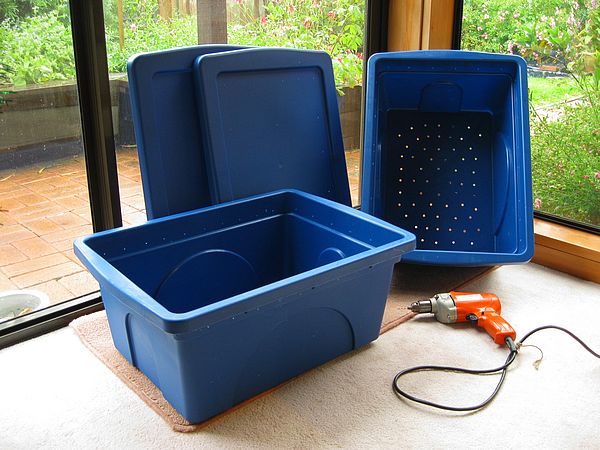
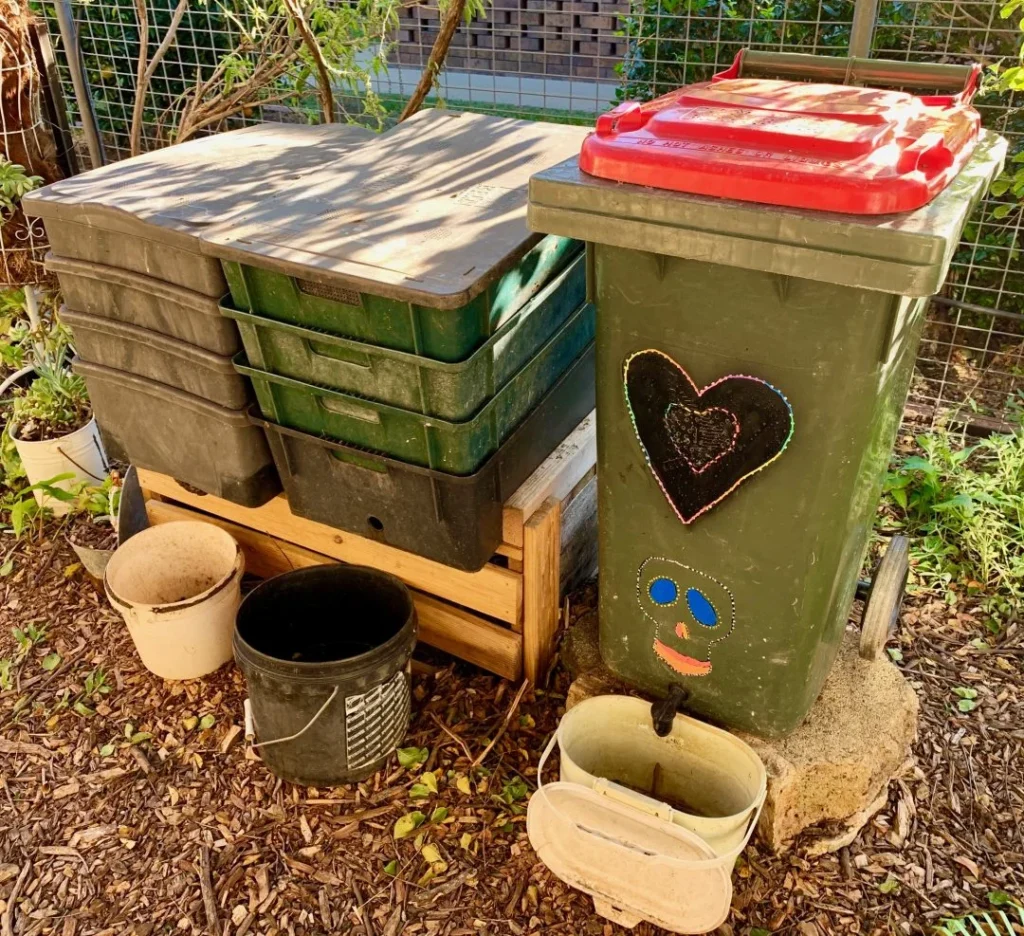
Set Up Your Bin: You can create your own using a plastic bin, bucket, or wood. Ensure that the bin has adequate air vents and drainage if possible, to maintain a conducive environment for worm activity. This can be as simple as putting two 5 gallon buckets together, the top one having a few holes on bottom for drainage. If you want to be safe and prevent bugs being attracted to the food scraps you can drill holes in a lid and glue window screens over them.
Add Bedding: Fill the bin with a mixture of reasonably moist (think a wrung out sponge) bedding materials like shredded cardboard, peat moss, or coconut coir. This bedding provides a habitat for the worms and absorbs excess moisture.
Feed Your Worms: Introduce organic waste gradually. Most foods are suitable including fruit and vegetable scraps, coffee grounds, crushed eggshells, and shredded leaves. Avoid adding meat, dairy, and oily foods, as these can attract pests and create odors or too much acid or spicy foods because it will irritate the worms. You can also use compost or manure as food, while increasing its benefits.
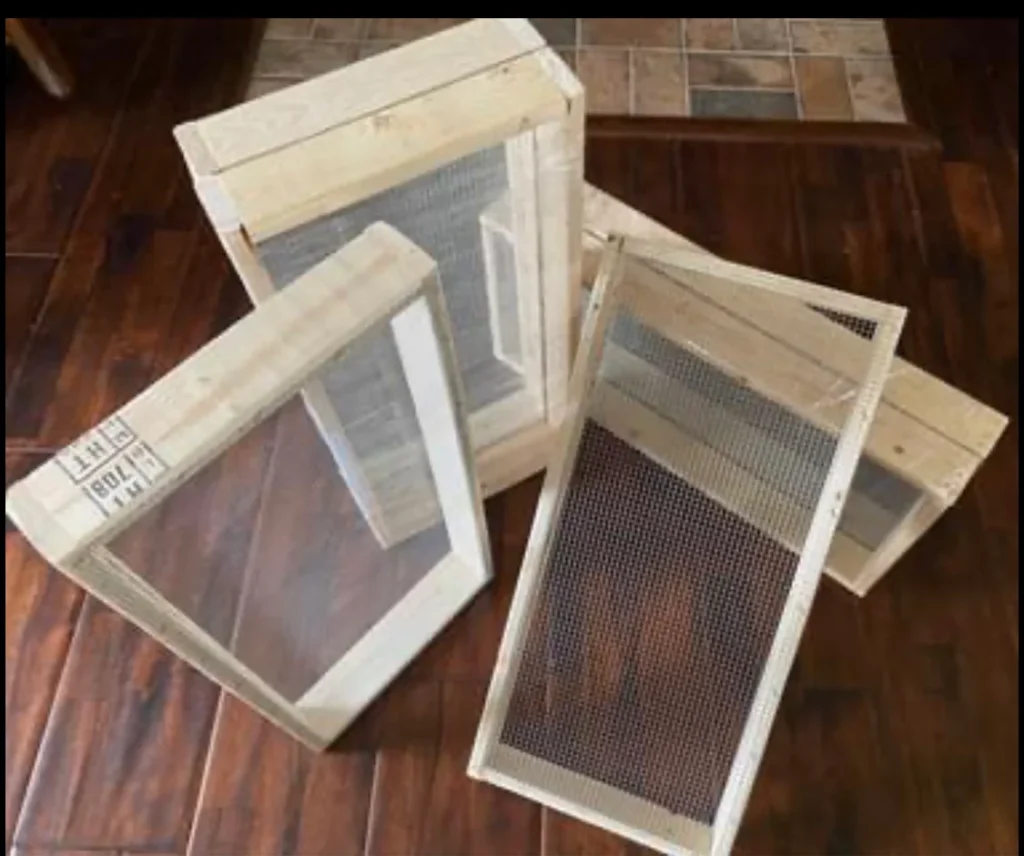
Harvesting Castings: After a few weeks – months, you’ll start to see the texture change into small, dark, crumbly worm castings in your bin. These can be used as is in your garden or added to potting mixes to enrich your plants. You can screen the worms and un-eaten bedding/food out using a simple homemade screen.
And that’s all the basics! Worm farming is an excellent way for gardeners to enrich their soil while practicing sustainability. The process is simple, but the benefits it brings to your garden and the environment are significant. By embracing vermiculture, you can turn kitchen scraps into a gardener’s treasure, creating a healthier ecosystem and a more bountiful garden.

Leave a Reply